Purpose #5
Purpose functions as a stable behavioral structure that organizes attention and action around chosen values rather than temporary emotion, becoming clearer through repeated aligned participation than through waiting for inspiration.
Purpose is not something that gives life meaning—it is something that organizes behavior.
Without purpose, my attention becomes vulnerable to distraction, emotional impulse, validation-seeking, comfort, fear, and uncertainty. When I don’t have a clear “why,” my mind starts scanning for whatever feels urgent or soothing in the moment, and I follow thatmy . In that sense, purpose creates direction. It gives discipline a reason to exist, because the moment my actions become connected to something larger than temporary emotion, consistency becomes easier to sustain during difficult periods. I’m not just forcing myself to “be disciplined” in the abstract; I’m engaging in something I’ve decided actually matters.
A lot of the time, people search for purpose emotionally, waiting to feel inspired before moving forward. I’ve done that too—waiting for clarity, waiting for motivation, waiting for some internal signal that now is the right time. But in recovery, I’m learning that purpose often becomes clearer through participation rather than contemplation. It strengthens as I repeatedly align behavior with values over time. The more I act in a way that matches what I say I care about, the less vague purpose feels. It shifts from an idea I’m trying to figure out into a direction I’m already walking in.
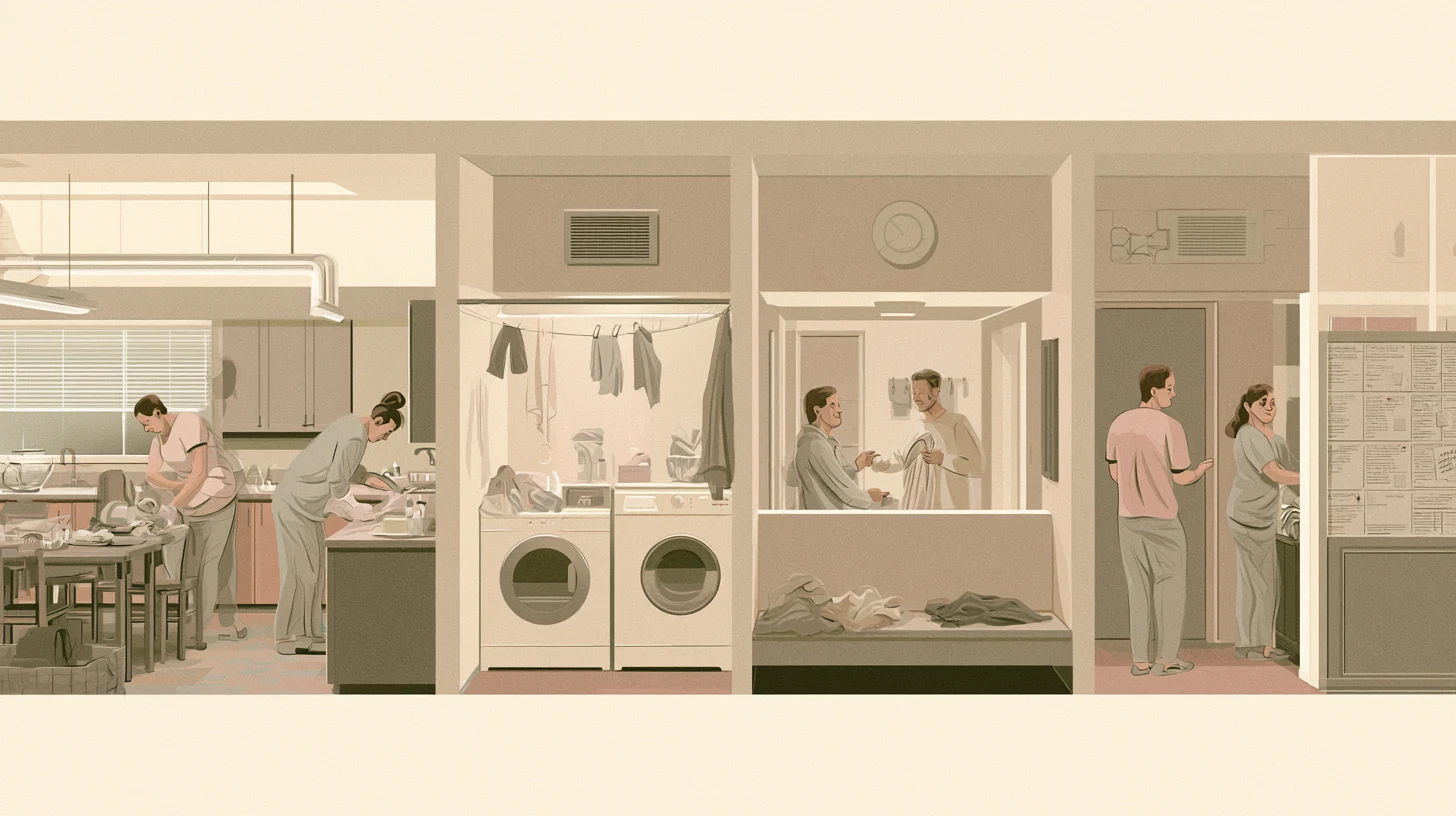
This connects directly to “do your thing and everything will follow,” because purpose gives direction to the process while daily participation gives purpose a place to express itself behaviorally. The “thing” I’m doing each day—showing up, following structure, honoring commitments—becomes the concrete expression of that larger direction. It also connects to “personalizing” because purpose weakens the moment attention becomes consumed by self-centered interpretations of every situation, rather than remaining focused on the larger direction I’m trying to move toward. When I start making everything about how I look, how I’m perceived, or how I’m treated, my behavior stops being guided by purpose and starts being guided by ego, fear, or resentment.
For me, purpose means having a direction strong enough to organize behavior beyond temporary emotions, circumstances, or perceptionsthat. It doesn’t mean I always feel inspired or certain; it means I have something stable enough that I can return to when my internal state is chaotic. I’m trying to stay more connected to where I’m going instead of becoming consumed by what I’m feeling moment to moment. When I remember the direction, my choices become a little less reactive and a little more deliberate, and that’s where purpose actually starts to function—not as a feeling, but as a structure that shapes how I move through the day.