Feelings Are Not Facts #8
Emotional intensity is treated as real but unreliable data that must be paused with, interpreted, and sometimes challenged so that feelings inform perception and action without silently replacing reality, accountability, or growth.
Feelings are real, but they are not always reliable.
They are real experiences, but they are not always accurate interpretations of what is happening in front of me. They tell me something about my internal state, my history, and my expectations, but they do not automatically tell me the truth about other people, situations, or reality itself.
A feeling can be shaped by fear, pride, insecurity, memory, exhaustion, old wounds, assumptions, or past patterns. Sometimes it is shaped by all of those at once. And because feelings can be intense, they can create the illusion of certainty. The stronger the emotion, the more convincing it feels. My body reacts, my thoughts speed up, and it can seem obvious that what I am feeling must be what is actually happening.
In that sense, the danger is not having feelings. The danger is obeying them before examining them. The risk is in treating the first emotional reaction as a final verdict rather than necessarily meaning I was emotions like, “What happened?”, for me, “feelings are not facts”, which unquestioningly as data that needs to be checked, interpreted, and sometimes challenged.
If I feel disrespected, it does not automatically mean I was disrespected. It might mean I am sensitive to disrespect because of past experiences, or that I am tired and reading something into a neutral comment.
If I feel rejected, it does not automatically mean I was rejected. It might mean an old abandonment wound is activated, or that I am assuming the worst without clear evidence.
If I feel attacked, it does not automatically mean I am under attack. It might mean I am defensive, or that I am hearing criticism where there is actually feedback or simple disagreement.
If I feel justified, it does not automatically mean I am right. It might mean I am protecting my ego, or that I am using my emotion to avoid looking at my own behavior.
In the past, I sometimes allowed emotional intensity to become the evidence. If something felt true, I treated it as true. I rarely questioned the story my feelings were telling me. I would react, speak, or make decisions from that place, and only later see the distortion or the damage. But recovery is teaching me that feelings need interpretation before they become action. They need context, pause, and sometimes outside perspective. The feeling can still matter, but it does not get to run the whole show by itself.
This connects directly to personal growth before vested status, because if I confuse feelings with facts, I may start defending my image instead of examining my growth. If I feel threatened, I might rush to protect how I look, rather than asking what I might need to change. If I feel ashamed, I might focus on managing other people’s perceptions instead of facing the behavior that created the shame. When I treat feelings as facts, I can end up reinforcing my identity as it is, instead of allowing it to be challenged and reshaped.
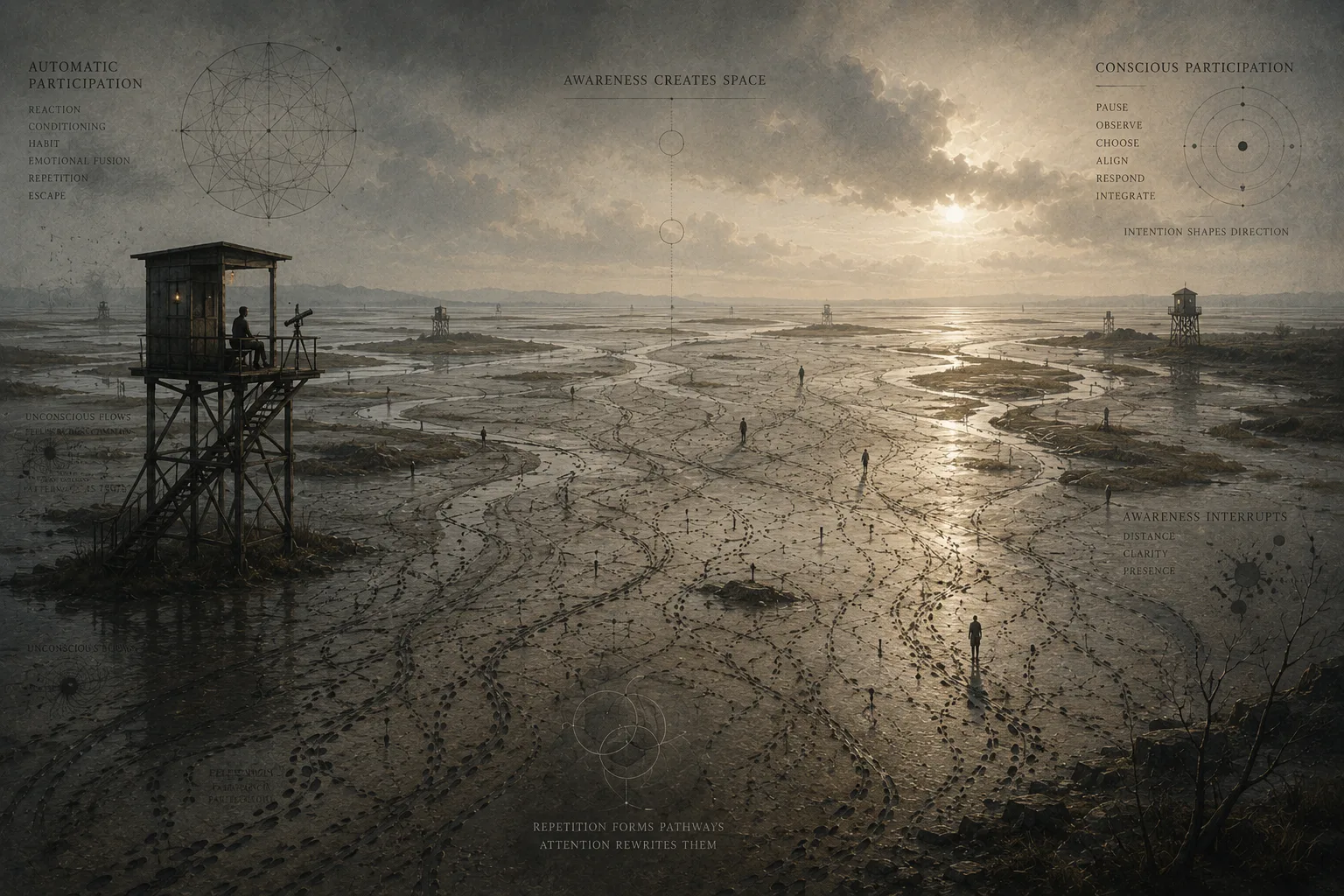
It also connects to holding your belly, because holding my belly gives me time to separate what I feel from what is actually true before I speak or react. That physical pause interrupts the automatic obedience to emotion. It gives my nervous system a moment to settle so I can ask basic questions: What happened? What did I hear? What did I see? What am I assuming? What else might be going on? That small gap between feeling and response is where interpretation can happen.
So for me, feelings are not facts means I can respect my emotions without surrendering reality to them. I do not have to dismiss or shame myself for what I feel, but I also do not have to let my feelings dictate my perception of reality, other people, or myself. I can let them inform me without letting them define the situation.
I am trying to slow down enough to ask: is this what is actually happening, or is this what my emotion is telling me is happening? And then, if I can, I try to take one more step and ask: what would I see here if I were not feeling this strongly? That practice is still uncomfortable and imperfect, but it is part of how I am learning to live with my feelings without being led blindly by them.