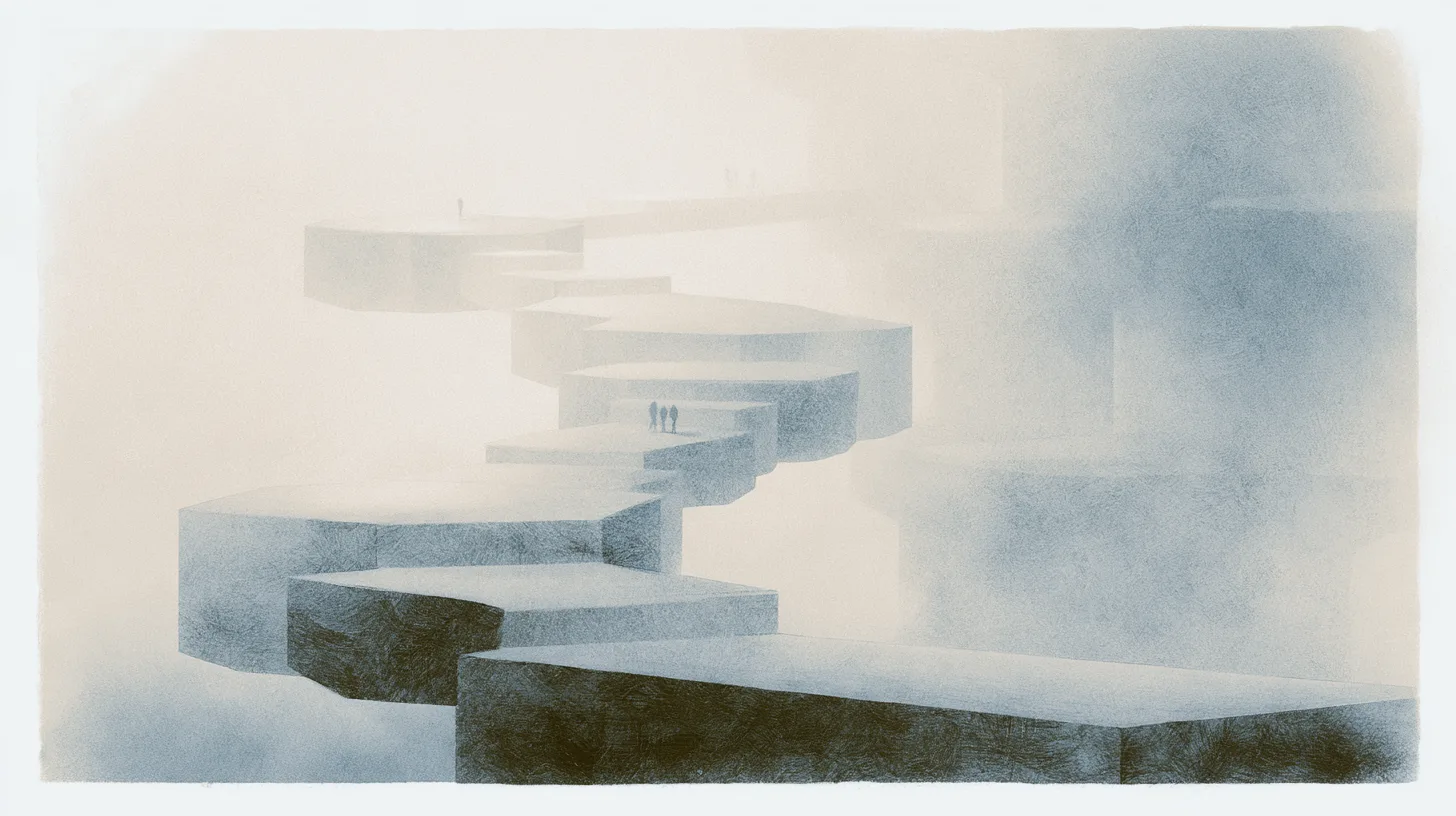
No Man Is Free Who Is Not Master of Himself
A reflection on freedom as self-mastery, emphasizing acting from grounded intention rather than emotional impulse.
“No man is free who is not master of himself.”
Epictetus
Discipline in one part of life does not automatically translate into discipline everywhere else, especially when emotion enters the situation.
Some areas of my life feel organized and relatively stable. I am able to maintain routines, fulfill responsibilities, follow commitments, and remain disciplined in practical and visible ways. Yet when it comes to relationships, communication, emotional uncertainty, or the need for reassurance, I encounter a different kind of difficulty altogether.
In those moments, I notice how quickly my behavior can become organized around emotion rather than around intention. When anxiety, uncertainty, loneliness, or disconnection arise, I often feel a strong impulse to communicate, seek reassurance, reduce emotional distance, or alter the external situation in order to regulate what is happening internally.
Looking back, I can see how often I mistook emotional urgency for necessity. If discomfort felt intense enough, I assumed immediate action was required. Communication, in those moments, became less about honesty or clarity and more about managing my own emotional state through another person’s response.
What feels important now is recognizing that emotion itself is not the problem. Fear, longing, attachment, insecurity, sadness, and uncertainty are all natural parts of caring deeply about something meaningful. The difficulty arises when those emotions quietly organize my conduct without my full awareness.
Recovery is beginning to show me that freedom is not found in the absence of emotion, but in the ability to experience emotion without becoming unconsciously directed by it.
That distinction feels important because emotions often create the illusion that immediate action will resolve internal discomfort. Anxiety seeks reassurance. Loneliness seeks connection. Fear seeks certainty. But acting impulsively from those emotional states often creates more instability rather than less.
What is becoming clearer to me now is that emotional self-mastery is less about suppressing feelings and more about creating enough space between feeling and action that I can choose my behavior deliberately.
That process requires awareness, as emotional reactions often occur quickly. Before I fully recognize what is happening, I can begin organizing communication, decisions, or behavior around the immediate desire to escape discomfort.
Recovery is teaching me that discipline is not only about maintaining external structure. It is also about maintaining internal structure when emotions become intense.
What feels more stable is learning how to communicate from groundedness rather than from emotional urgency. I can acknowledge fear, longing, insecurity, or uncertainty without allowing those emotions alone to determine my actions.
For me right now, the work is making sure that my behavior—especially in relationships and communication—comes from clarity, patience, honesty, discipline, and self-respect rather than from the immediate need to regulate how I feel internally.
Because freedom is not found in eliminating emotion, but in no longer allowing emotion alone to govern my conduct.