Understanding Emotions
A reflection on how understanding emotions reduces their control, allowing for intentional action instead of reactive behavior.
“An emotion which is a passion ceases to be a passion as soon as we form a clear and distinct idea of it.”
Baruch Spinoza
A shift begins when I stop experiencing emotions only as reactions and start examining what they are trying to accomplish.
Intense emotions such as fear, jealousy, urgency, shame, or anger rarely arise in isolation. They often reveal an underlying structure, pointing toward needs for certainty, reassurance, validation, control, or protection from loss.
What feels difficult is how immediate these emotions can seem when they arise. In those moments, they often become difficult to separate from reality itself. Fear no longer feels like a feeling alone—it becomes the perspective through which I interpret the situation. Jealousy, insecurity, or shame can quietly begin organizing my thoughts, assumptions, and behavior before I fully recognize what is happening.
Looking back, I can see how often I responded to emotions without understanding their function. My attention immediately shifted toward removing discomfort, as though the emotion itself required urgent resolution.
Recovery is beginning to show me that emotions are not arbitrary intrusions. They often point toward underlying fears, attachments, interpretations, or unmet needs that remain only partially understood.
For me, many of those reactions seem connected to fear of loss and the meanings I attach to it. The emotional intensity is not only about the possibility of someone leaving, changing, or becoming distant. It is also tied to what I begin imagining that loss says about my value, identity, or future.
What is becoming clearer to me now is that suppressing emotion does not actually resolve it. Ignoring, resisting, or fighting feelings often leaves them active beneath the surface, continuing to shape behavior in ways I do not fully recognize. But when I begin examining them carefully—when I slow down enough to understand what they are attached to—their automatic influence starts to weaken.
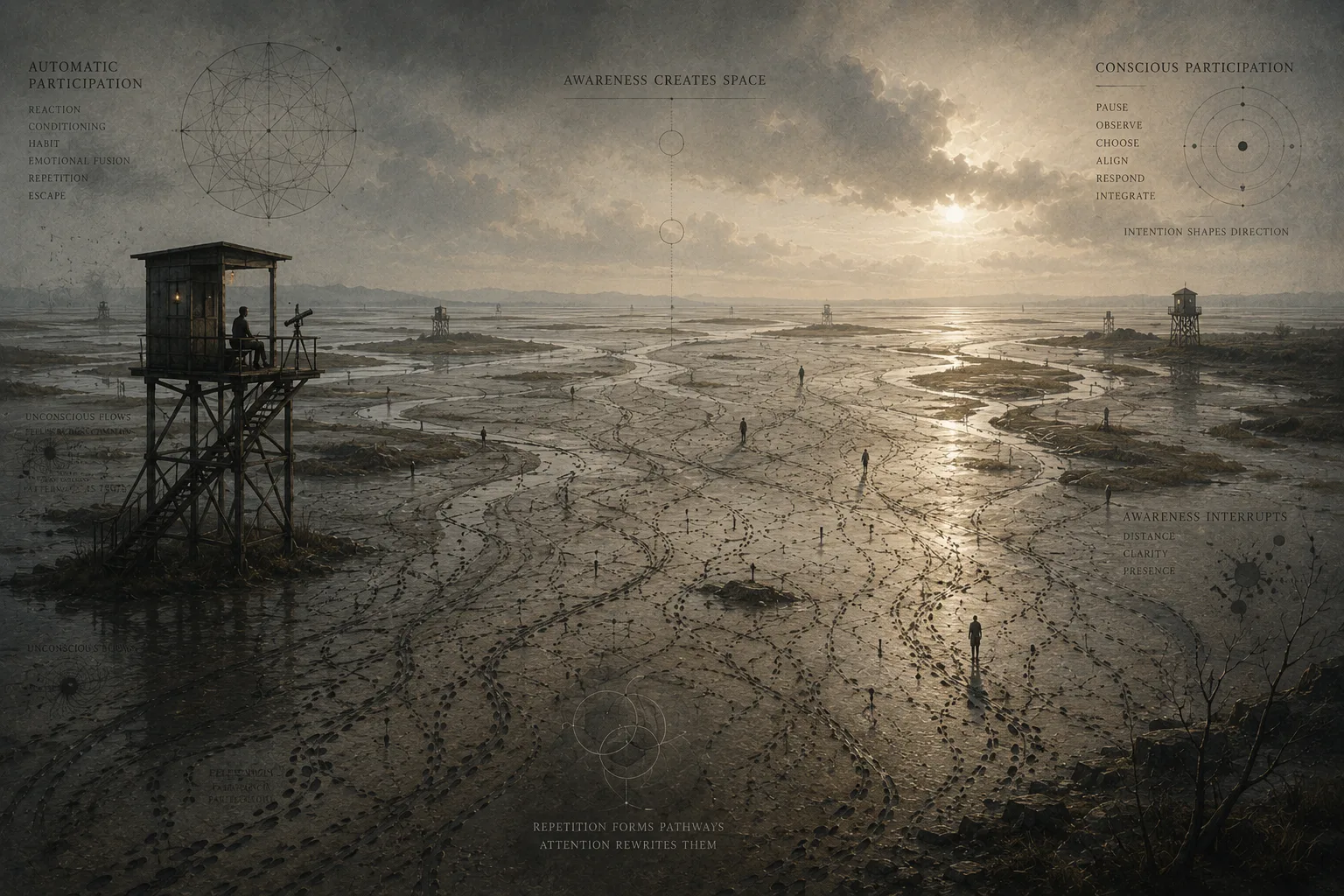
That distinction feels important because understanding creates space. Once I recognize that an emotion is seeking reassurance, certainty, or protection, I no longer have to obey it automatically. I can acknowledge what I feel without immediately organizing my actions around it.
Recovery is teaching me that awareness changes the relationship I have with my emotions. The feeling itself may still arise, but it no longer fully determines my behavior once I can see its structure more clearly.
What feels important now is learning how to approach emotions with curiosity rather than immediate identification or resistance. Not every feeling needs to be acted on simply because it is intense.
For me right now, the work is not eliminating emotion or becoming emotionally detached. The work is developing enough understanding and awareness that emotion no longer dictates the direction of my actions without reflection.
Because once I begin understanding what my emotions are doing, they lose some of their power to unconsciously organize my behavior.