Acting Without Certainty
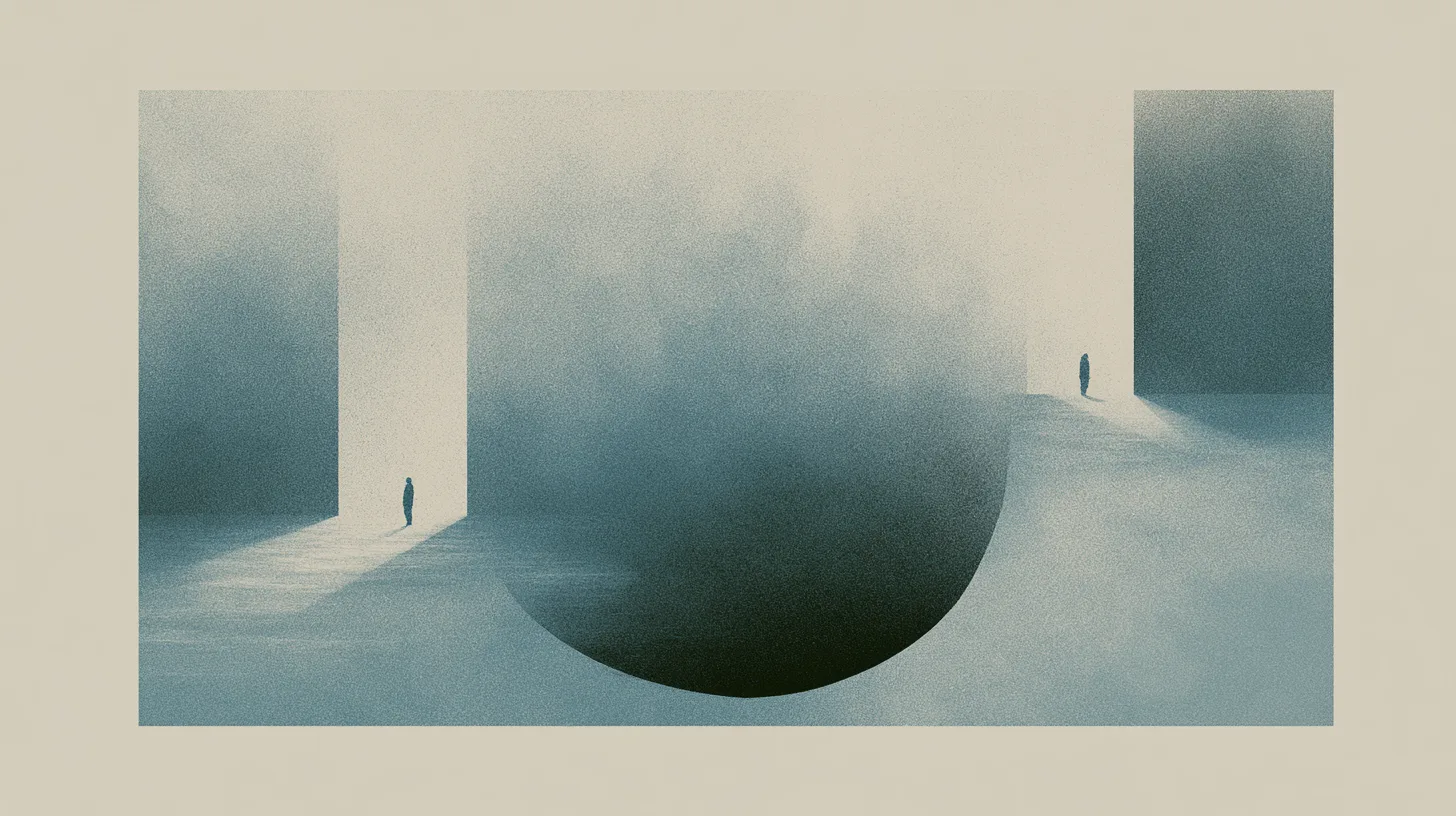
A reflection on anxiety as a response to uncertainty, emphasizing the ability to act without needing to control outcomes.
“Anxiety is the dizziness of freedom.”
Søren Kierkegaard
The tension begins when I try to create certainty about things that remain fundamentally uncertain.
Much of what I have been experiencing lately is not only about the situation itself, but about the need to know how it will unfold. I notice how strongly I want reassurance that what matters to me will remain stable—that I will not be abandoned, replaced, or left facing an outcome I do not feel prepared for.
When that certainty remains unavailable, my mind immediately begins trying to construct it. I replay conversations, imagine possible futures, analyze details, and mentally rehearse different outcomes as though thinking hard enough might eventually resolve what cannot yet be resolved.
What becomes clearer is that this process rarely produces clarity. More often, it amplifies the anxiety itself. The harder I attempt to impose certainty internally, the more unstable my thoughts and emotions become.
Looking back, I can see how anxiety often organizes itself around the desire to escape uncertainty altogether. Part of me searches for guarantees before allowing myself to move forward emotionally. I want to know what another person feels, what they will choose, and whether the future will ultimately confirm fear or relief.
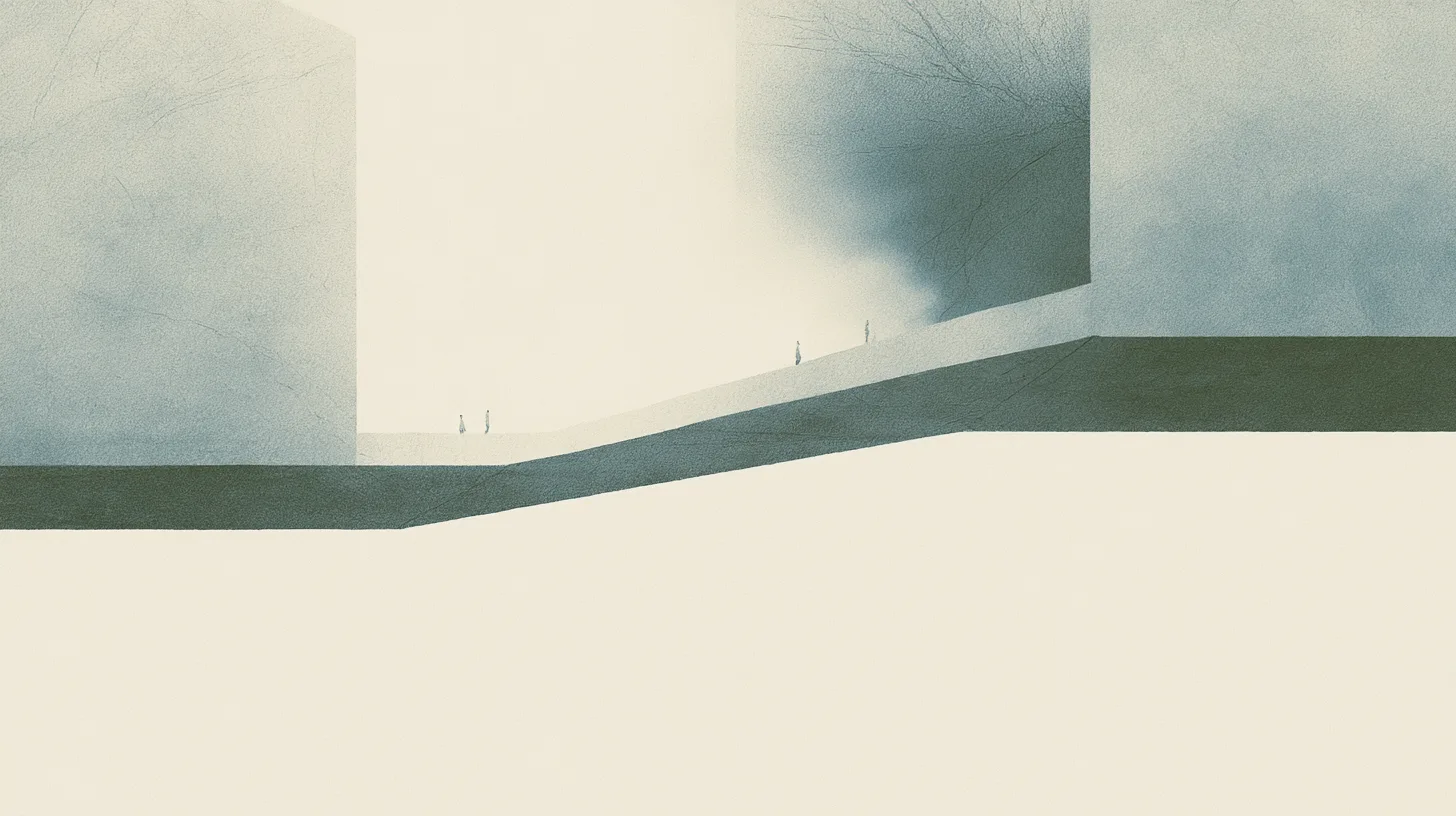
But recovery is beginning to show me that certainty does not always come before action. The future may remain unresolved, and I am still required to determine how I will orient myself in the present.
That feels difficult because uncertainty exposes vulnerability. In the absence of certainty, I am left confronting possibility itself—the possibility of rejection, disappointment, loss, or change. My mind interprets those possibilities as threats that must immediately be resolved before I can feel stable again.
What is becoming clearer to me now is that anxiety often grows from confusing uncertainty with danger. Not knowing how things will turn out does not automatically mean something bad is happening. It means I am facing a future that has not yet fully revealed itself.
Recovery is teaching me that complete certainty is not necessary in order to act responsibly, remain grounded, or stay connected to my values. While I cannot determine another person’s feelings or choices, I remain responsible for how I respond to the uncertainty itself.
For me right now, the work is learning how to move forward without demanding guarantees first. I may not have complete reassurance, clarity, or certainty about the future—but I still retain responsibility for what I choose to do next.