Relating to the Struggle
A reflection on recurring struggle, emphasizing that growth comes from changing one's relationship to it rather than trying to eliminate it.
“The struggle itself toward the heights is enough to fill a man’s heart. One must imagine Sisyphus happy.”
Albert Camus, The Myth of Sisyphus
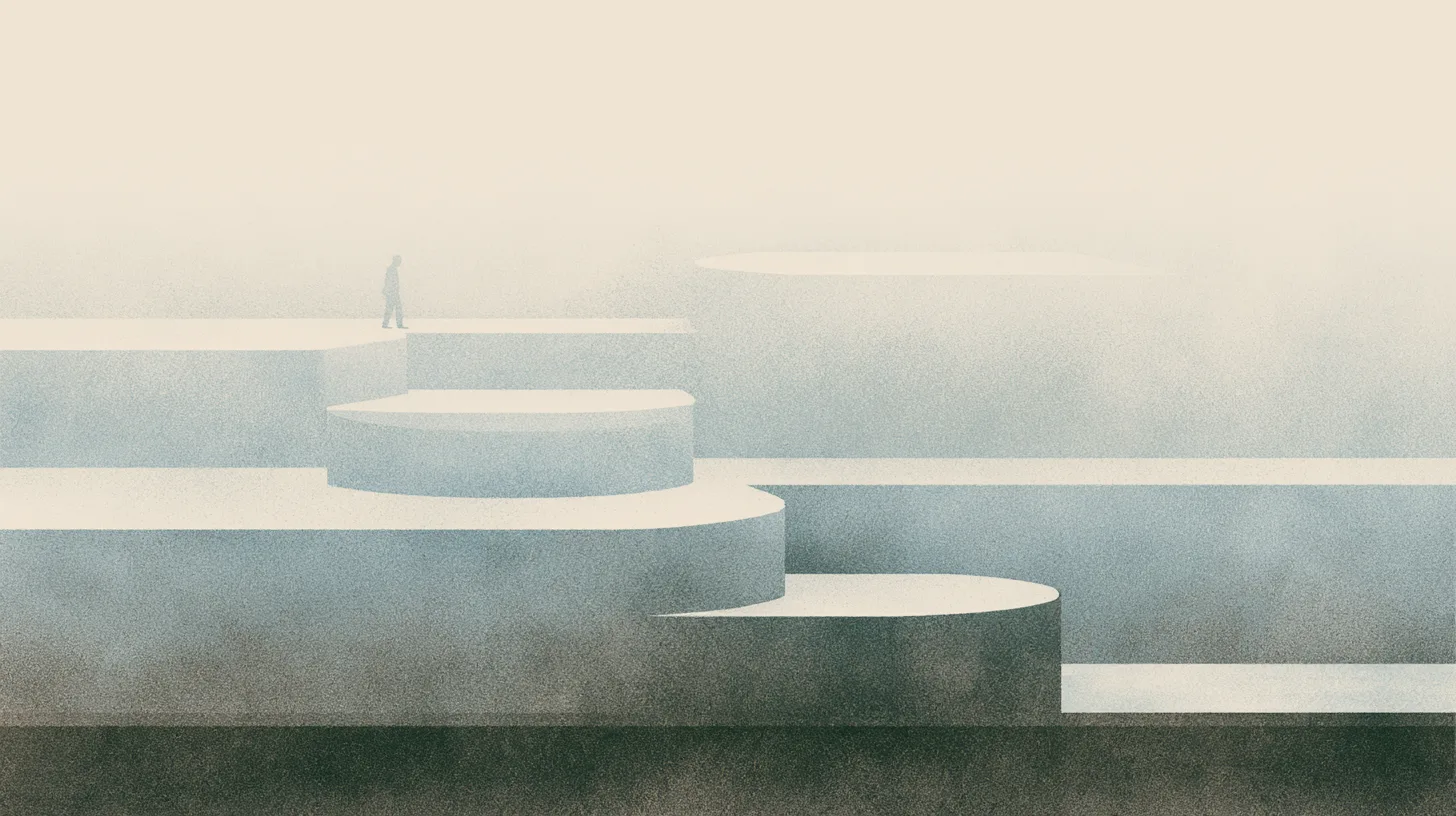
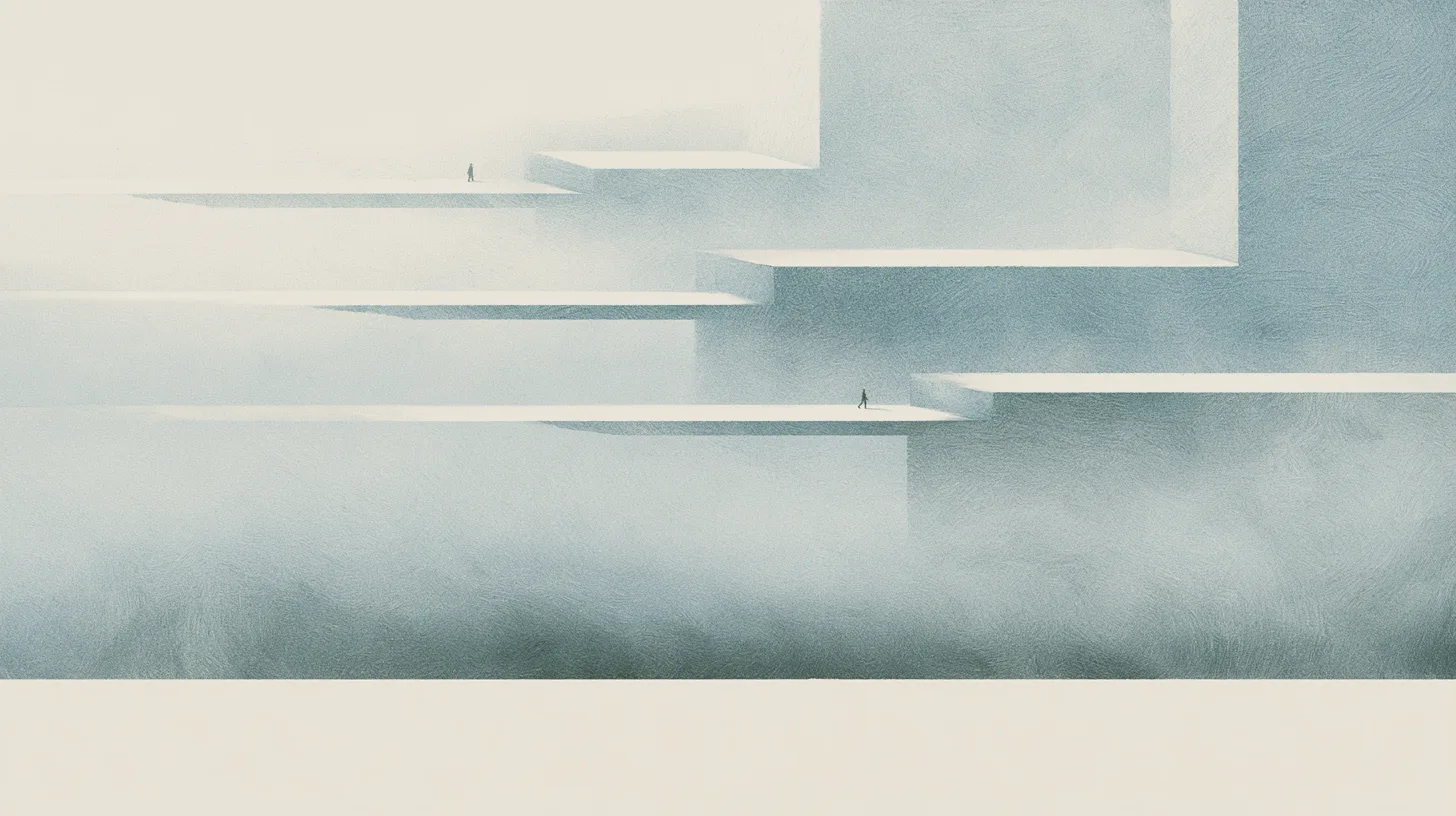
Struggle does not simply disappear—it repeats.
For a long time, I treated my situation as though it were a problem to be solved once and for all. I kept searching for the right thought, feeling, or behavior to remove, believing that doing so would finally end the struggle.
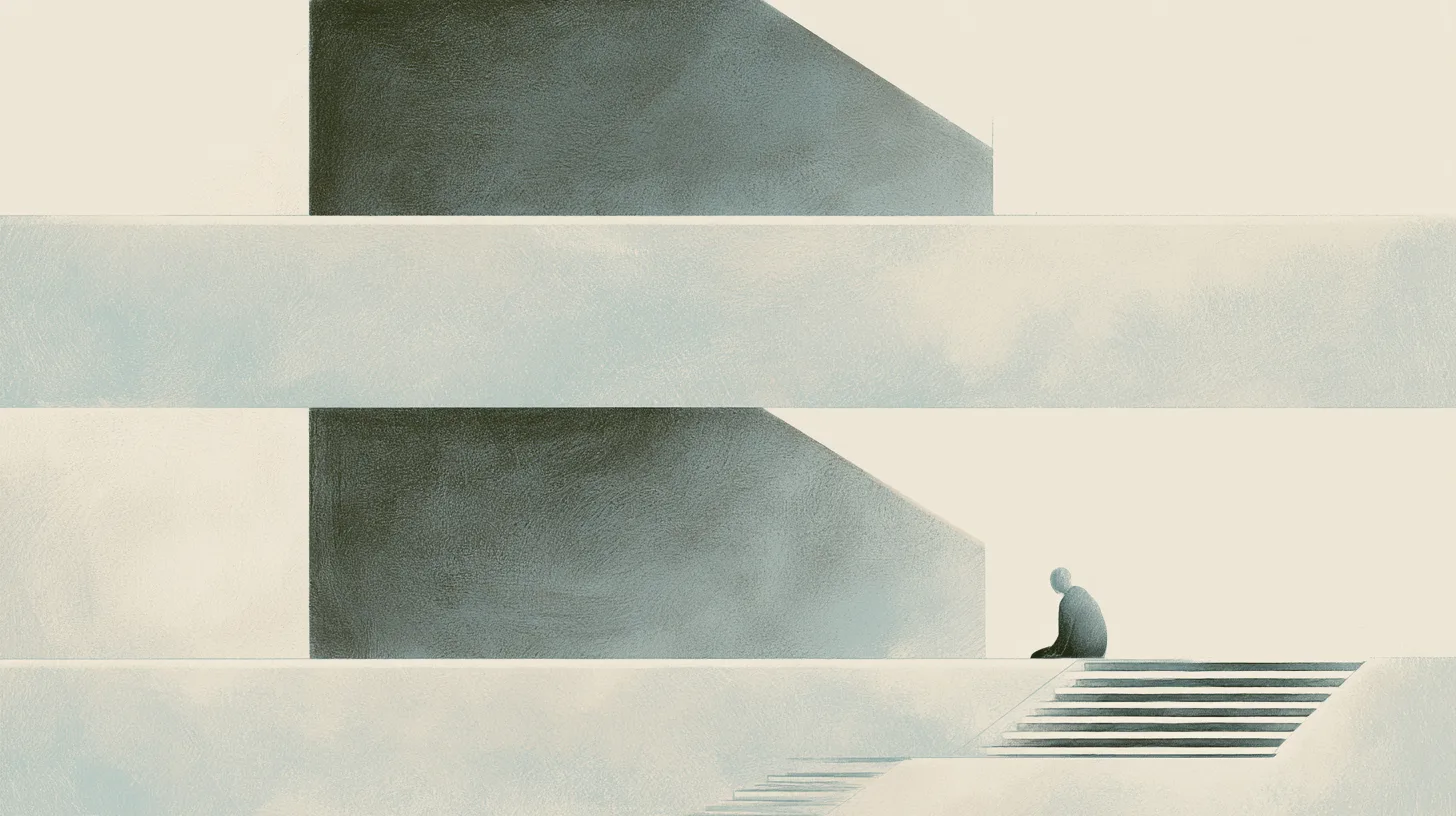
It is becoming more honest, though not always easier, to recognize that certain thoughts and emotions may continue returning. Their presence does not necessarily mean I am failing or moving backward. Instead, they are part of what I am learning to work with.
Looking back, I often treated the return of difficult thoughts or emotions as evidence that something was wrong. But recovery is teaching me that repetition is part of the process. The struggle may return in different forms because the mind naturally continues producing thoughts, reactions, fears, and attachments over time.
What matters more is how I relate to those experiences when they arise. If I automatically react to them or become absorbed by them, the same patterns tend to continue. But when I create space and respond with more intention, the pattern begins to shift, even if the struggle itself has not fully disappeared.
What is becoming clearer to me is that even if one form of struggle fades, something else may eventually take its place. The goal is not to eliminate struggle completely, but to develop a different relationship to it each time it appears.
Recovery is teaching me that discipline matters most in those moments. Staying connected to my values and grounded in reality helps prevent temporary thoughts or emotions from determining my direction.
Because the struggle itself may repeat—but how I respond to it does not have to.