Trust in Your Environment #5
Trusting a recovery environment means allowing its structure, people, and routines to interrupt familiar but harmful patterns, surrendering some control so that a new sense of normal can reshape judgment that previously felt safe but kept you stuck.
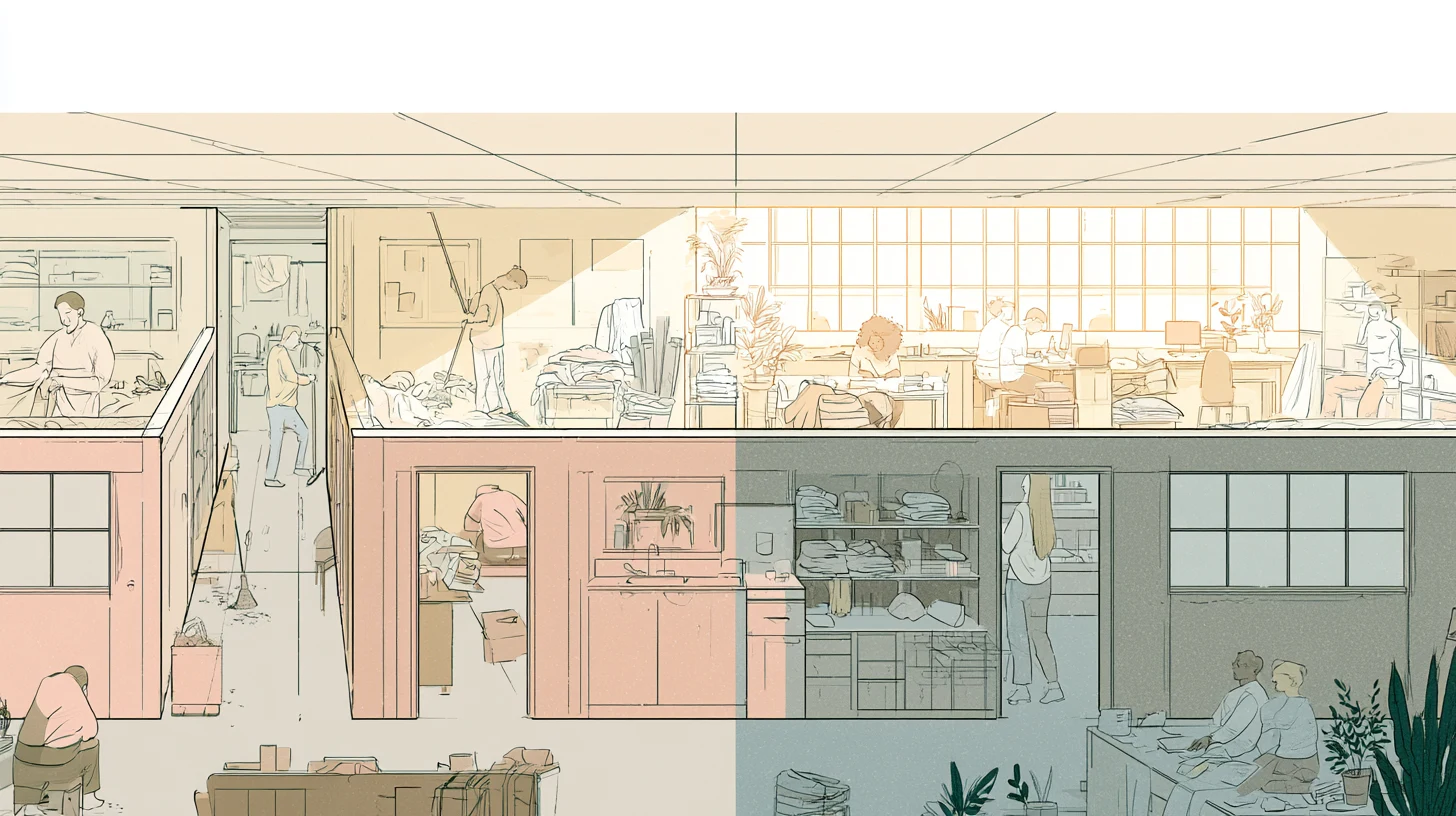
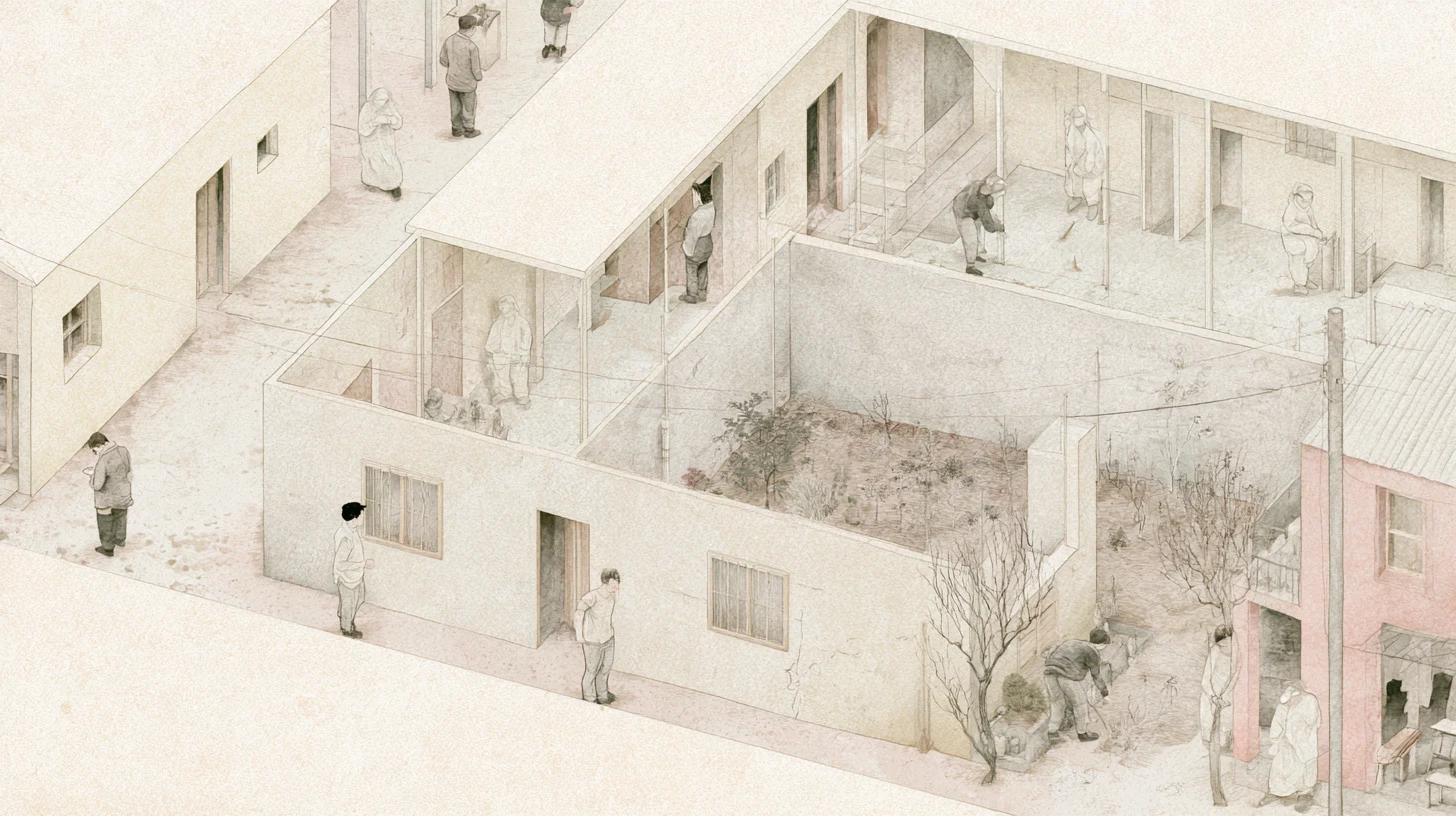
Environment is not just the place I am physically standing in. Environment is everything around me that quietly trains my sense of what is normal and what is not.
The people around me.
The structure around me.
The expectations around me.
The language around me.
The habits that are either tolerated or interrupted.
The consequences that actually show up when I act a certain way.
All of that becomes part of the environment.
In recovery, trusting my environment does not mean trusting everything unquestioningly, or assuming every person and every decision is perfect. It means recognizing that I did not arrive here because my old environment was producing health. I arrived here because the old conditions, old patterns, old associations, and old ways of thinking were helping keep me stuck, even when they felt familiar and comfortable.
So trusting this environment means allowing a different structure to challenge what used to feel normal to me. It means letting myself consider that my old sense of “normal” might be part of the problem, and that I might not be the best judge of what is safe or reasonable when it comes to my own patterns.
That is not always comfortable. Sometimes the environment confronts me. Sometimes it slows me down when I want to rush. Sometimes it asks me to participate when I want to isolate, speak honestly when I want to hide, or accept direction when I want to defend my own judgment. Sometimes it asks me to follow a schedule, show up on time, or follow simple rules that my old life would have let me ignore.
But that may be exactly why I need it.
Because if my old thinking, my old instincts, and my old sense of what was “fine” were enough to save me, I probably would not have needed recovery in the first place. The fact that I am here is already evidence that my old environment and my old judgment were not working the way I told myself they were.
This connects directly to **you get back what you put in** because an environment can only work with what I actually bring to it. If I bring honesty, effort, humility, and participation, the environment has something to shape. The structure, the people, and the routines can actually interact with me. If I bring resistance, secrecy, image, and passivity, I may physically be in recovery while still feeding the same patterns internally. I can sit in the room but keep my real self out of reach, and then tell myself the environment “didn’t work.”
It also connects to **playing it safe** because sometimes I call it “being careful” when I am really refusing to trust the process. I stay guarded, quiet, distant, or uninvolved, and then wonder why the environment has not changed me more deeply. I tell myself I am just “observing” or “taking my time,” when what I am actually doing is holding on to control and refusing to let the environment have any real influence on me.
So for me, **trusting my environment** means letting the structure do what my old patterns could not: interrupt me, redirect me, and help me learn a new normal. It means permitting this environment to have weight in my life, even when it pushes against my first reaction. It means noticing when I am instinctively pulling back and asking whether that pullback is actually just my old environment still speaking through me.
I’m trying to stop treating the environment as something I merely live inside and start treating it as something I am supposed to participate in—not a backdrop, but an active force I cooperate with. Trusting my environment, in this sense, is less about believing it is perfect and more about being willing to let it work on me in ways my old life never could.