Trust in Your Environment #3
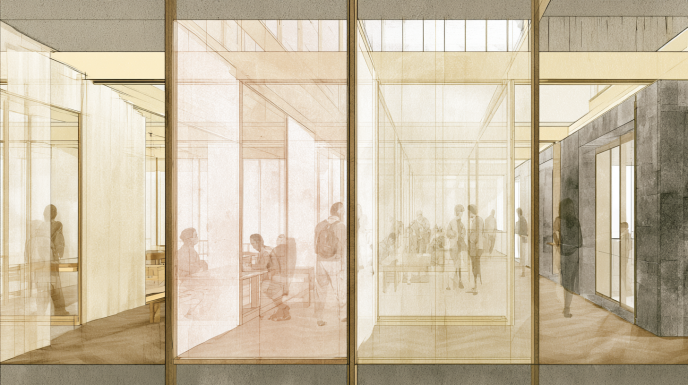
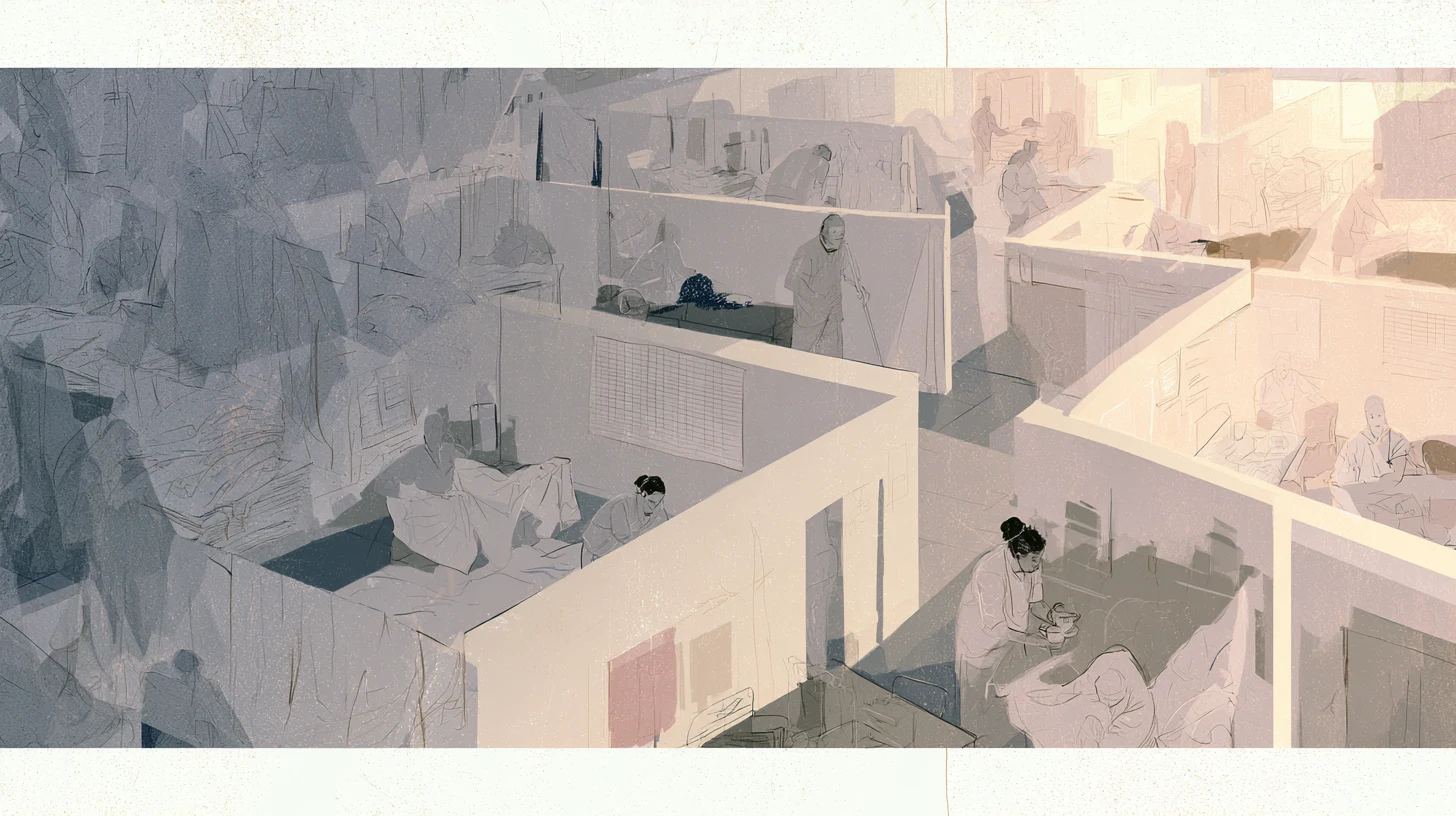
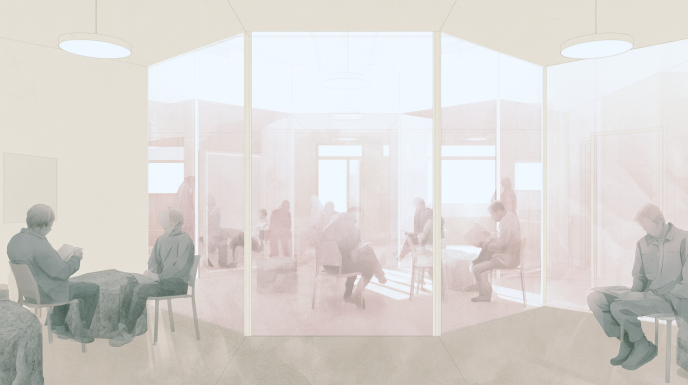
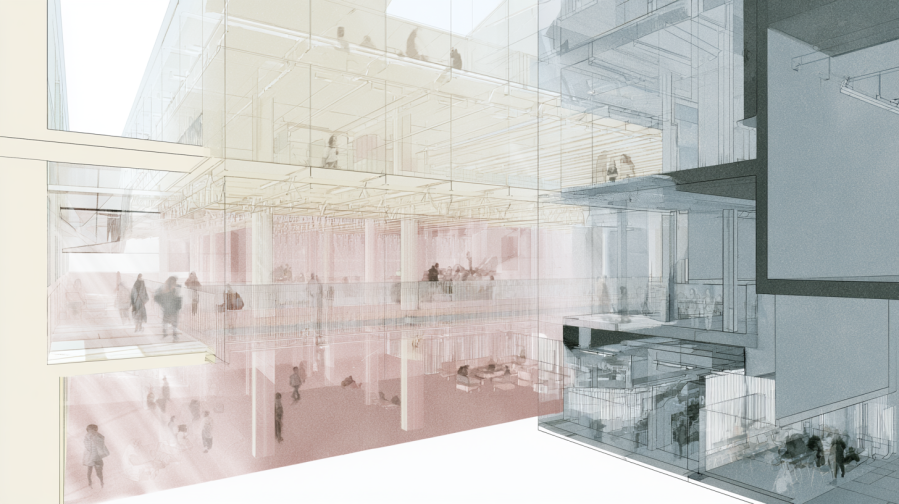
Trust in your environment becomes a way to name recovery as movement beyond passive dependence toward the gradual loosening of resistance to the structures that exist to support growth.
“Trust in your environment” is beginning to feel less like passive dependence and more like the gradual loosening of resistance to the structures that exist to support growth.
What is becoming clearer to me is that mistrust does not always appear openly or dramatically. Sometimes it appears through resistance, selective participation, defensiveness, emotional distance, isolation, or the constant need to remain in control rather than fully engage with the process itself.
In that sense, trust appears less as an emotion and more as a pattern of participation.
It becomes visible through whether I actually allow structure, accountability, consistency, feedback, and participation to influence me rather than filtering everything through fear, suspicion, defensiveness, ego, or personal preference.
Looking back, I can see how often I approached environments assuming I needed to protect myself from them. Part of me remained psychologically separate, cautious, guarded, or resistant, even while appearing to participate externally.
Recovery is beginning to show me that healthy structure does not exist to suppress growth, but to support and stabilize it.
That distinction feels important because transformation becomes much more difficult when participation is selective or when I remain internally detached from the process itself. The more I negotiate with structure, accountability, or feedback internally, the more distance I create between myself and the conditions that enable change.
What feels increasingly important now is recognizing that trust is not blind obedience or the absence of discernment. It is a willingness to engage openly enough that the environment can actually influence me rather than remaining organized around constant internal resistance.
This connects directly to “you get back what you put in” because the environment can only reinforce the level of honesty, openness, effort, humility, and participation I consistently bring into it. It also closely connects to “deviation” because the moment I quietly begin separating myself from structure, accountability, or participation, I also begin drifting away from the stability those things create.
Recovery is teaching me that environments shape people through repeated participation. When I remain psychologically distant, resistant, or selectively engaged, I limit the degree to which growth can actually occur.
That process requires humility because part of me still wants to maintain control by filtering everything through my own interpretation, preference, or defensiveness. But recovery is beginning to show me that development often requires allowing myself to be influenced by structures beyond my immediate comfort or control.
For me right now, the work is learning how to participate with greater openness, consistency, willingness, and trust rather than remaining psychologically separate from the process surrounding me.
Because the degree to which I participate in a healthy structure often determines how effectively that structure can reinforce growth within me.