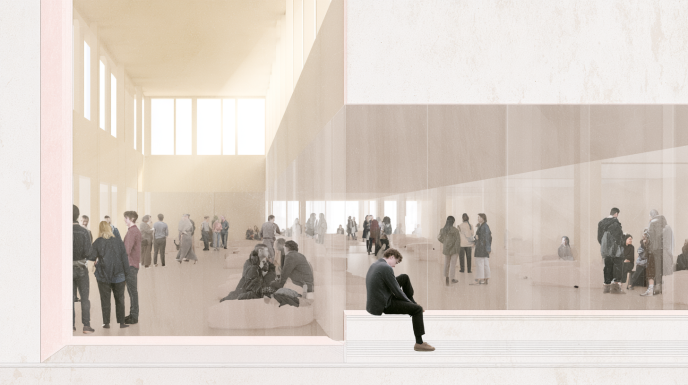
People, Places, and Things #4
Awareness appears here through people, places, and things as movement beyond a warning toward a recognition that environments are never truly neutral.
“People, places, and things” is beginning to feel less like a warning and more like a recognition that environments are never truly neutral.
What is becoming clearer to me is that the people I surround myself with, the places I repeatedly enter, and the things I continually expose myself to all shape my thinking, emotions, habits, perception, and behavior over time.
Much of that influence happens gradually.
I may not notice its effects immediately, but repeated exposure slowly normalizes certain patterns, reactions, values, emotional states, and ways of participating in life. Over time, what once felt unfamiliar can become ordinary through repetition and proximity.
In that sense, environments do not merely affect behavior. They quietly reinforce identity.
Looking back, I can see how often I underestimated the influence my surroundings had on me. Part of me believed that willpower alone should have been enough to protect me from unhealthy patterns. But I failed to fully recognize how consistently placing myself around instability, negativity, dishonesty, impulsivity, emotional chaos, or unhealthy behavior was gradually reinforcing those same things internally.
Recovery is beginning to show me that repeated exposure shapes participation, whether I consciously intend it to or not.
That distinction matters because environments influence not only what feels available to me but also what becomes acceptable, familiar, emotionally normal, or psychologically comfortable over time.
What feels increasingly important now is recognizing that the conditions I repeatedly allow into my life gradually shape the direction of my growth, whether I fully intend them to or not.
This does not mean controlling every aspect of my environment or avoiding difficulty entirely. It means becoming more aware of the conditions that strengthen stability and those that quietly weaken it over time.
This connects directly to “no free lunch” because remaining attached to unhealthy environments also carries a cost, even when that cost does not appear immediately. It also closely connects to “flagging” because the more my awareness, structure, or attentiveness weakens, the more vulnerable I become to gradually drifting back into unhealthy patterns through the environments surrounding me.
Recovery is teaching me that influence rarely announces itself in a dramatic way. Most of the time, it operates slowly through repetition, familiarity, emotional normalization, and continued exposure.
That process requires honesty because part of me still wants to believe I can repeatedly place myself in unhealthy environments without eventually being shaped by them. But recovery is beginning to show me that participation always leaves an imprint over time.
For me right now, the work is becoming more intentional about what I repeatedly allow around me and what I continually allow into my mind, emotions, habits, and daily life.
Because my environment is never entirely neutral. Over time, it either strengthens my recovery or quietly weakens it.